What Happens to Your Junk After It Gets Hauled Away?
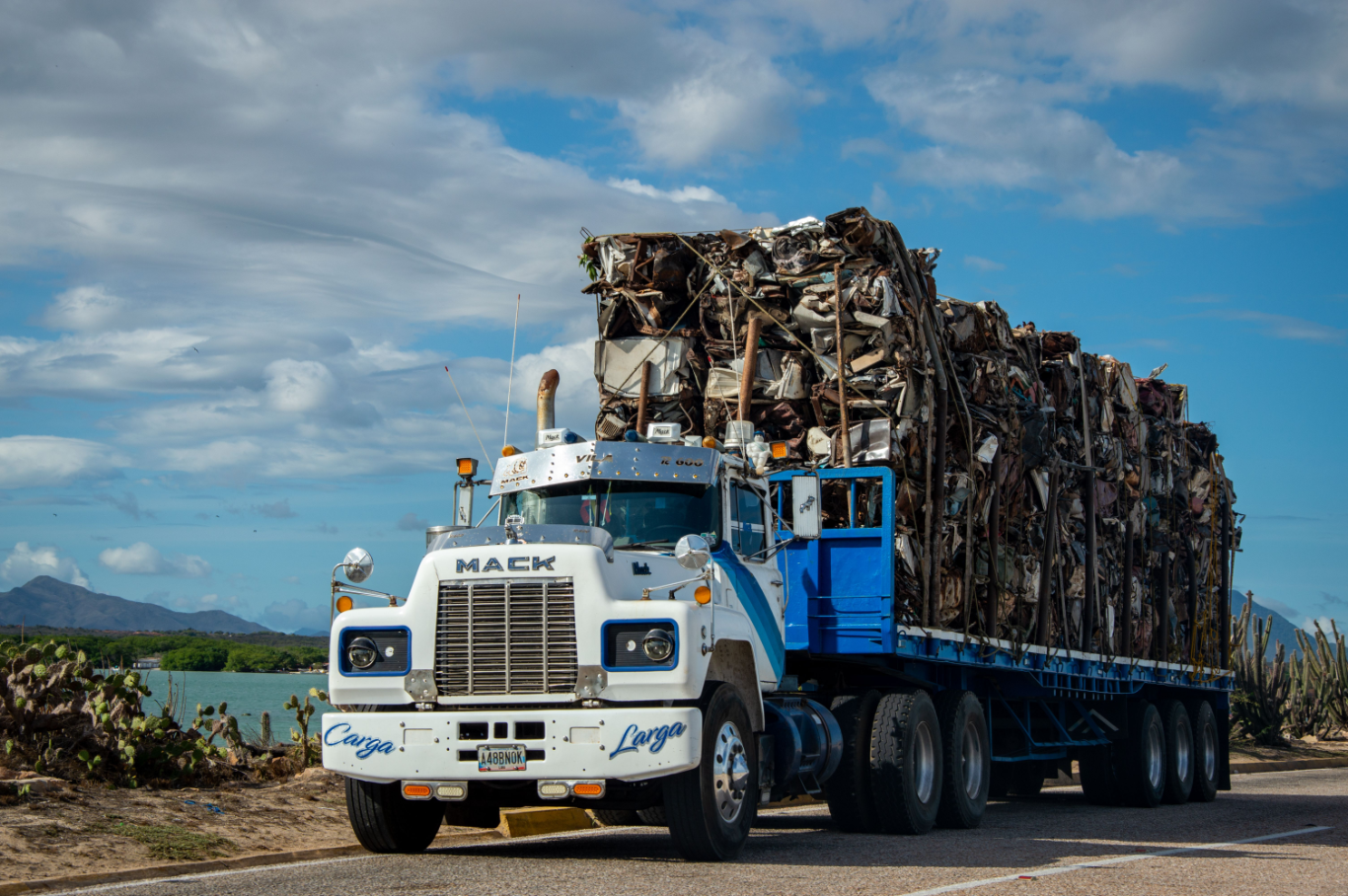
Most people answer this with a tidy picture. The crew sorts your stuff, donates what it can, recycles the rest and only sends the leftovers to a landfill. The real answer is less tidy. Where an item ends up depends mostly on what it's made of, and much less on who carries it out of your house.
Your old fridge will very likely be recycled. Your old sofa almost certainly won't. National waste data from the US Environmental Protection Agency shows the pattern clearly for the things people actually clear out.
If you'd rather not haul it yourself, tell us what needs to go and we'll send you a free, no-obligation quote.
What happens to junk after removal (item by item)
The EPA tracks what happens to household goods once they're thrown out. Its most recent product-by-product figures are for 2018. They show a wide gap between materials.
Appliances usually get recycled
Americans threw out about 5.3 million tons of major appliances in 2018. Around 3.1 million tons of steel were recovered from shredded appliances, and about 2.1 million tons went to landfills. Steel is worth money as scrap, so there's a buyer waiting at the end of the line.
Fridges come with a paper trail
Fridges and freezers have an extra rule. Under the EPA's refrigerant regulations, the last stop in the disposal chain, such as a scrap recycler or a landfill, has to make sure the refrigerant was recovered first. They need a signed statement saying who recovered it and when. That's why appliance removal for a fridge isn't the same as hauling a table.
Furniture mostly goes to a landfill
Furniture is the opposite case. In 2018 Americans discarded 12.1 million tons of furniture and furnishings, mattresses included. About 80% was landfilled and nearly 20% was burned for energy. Only around 40,000 tons were recycled. A sofa is a mix of wood, foam, fabric and metal, which makes it hard to recycle. That's true whoever picks it up, which is worth knowing before you book furniture removal.
Carpets and electronics sit in between
About 73% of discarded carpets and rugs were landfilled in 2018, and a little over 9% were recycled. Consumer electronics did better, with a recycling rate of 38.5%.
Renovation debris is mostly reused
Construction and demolition debris is the one big category where most of it gets a second life. The EPA counted about 600 million tons in 2018. Roughly three-quarters by weight went to a next use, most often as aggregate, the crushed material used under roads and new construction. That's the national picture for all building debris, so a single kitchen tear-out may not follow it exactly. If you're mid-project, our construction debris removal page covers what that job involves.
Why the hauler matters less than you'd think
A good crew can still make a difference at the edges. Something in decent shape can sometimes be set aside for resale or donation before the rest of the load leaves. That's the part a hauler actually controls, and it depends a lot on the item's condition.
Once something is junk, though, the material takes over. A scrap yard pays for steel, so the fridge gets recycled. Nobody pays for a worn sofa, so it gets buried or burned. No amount of sorting in the driveway changes those numbers much.
That's useful to know if you're clearing a parent's home or emptying a rental between tenants. You don't need to feel guilty about the couch, and you don't need to pick a hauler based on promises about it.
We have same-day slots if you're working to a deadline. Describe the job and we'll tell you what it involves.
What to ask any hauler
Plenty of haulers promise to keep your junk out of the landfill. A promise like that is hard to check. A name is easy, so ask for names.
Where does the furniture go?
Ask which landfill or transfer station the load goes to. It's a plain question, and a hauler should be able to answer it without a pause.
Who handles the refrigerant?
If you're getting rid of a fridge or freezer, ask who recovers the refrigerant. Given the EPA's signed-statement rule, someone in that chain has to be able to name them.
Which items get donated, and where?
If a hauler says it donates, ask which organization takes the items. A real answer names a place you can look up.
What won't you take?
Paint, chemicals, tires and propane tanks are usually excluded or charged extra. Ask before the crew arrives so nothing gets left behind on the day.
You can ask In and Out Junk Removal LLC the same questions. Tell us what needs to go, and we'll give you a free quote with no obligation to book.
