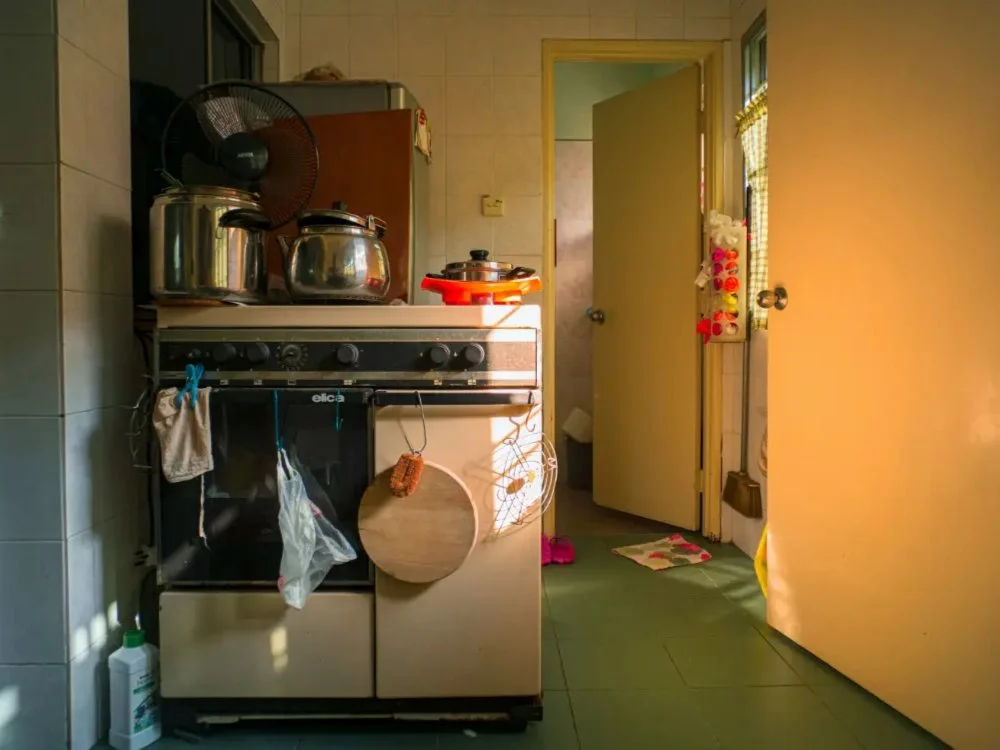
An old appliance usually becomes a problem the week its replacement arrives. The new washer is on the delivery schedule, and the old one is still hooked up, holding water, and too heavy for one person to shift. Appliances also bring rules that furniture doesn't, from refrigerant that has to be recovered to gas lines that need a professional.
This appliance removal guide covers how to choose the right disposal option for each appliance, how to prepare it safely, and what Howard, Baltimore, and Carroll counties will collect. If you'd rather hand the whole job off, our crew can quote it for free.
Ways to dispose of old appliances
Where an appliance should go depends on two things: whether it still works and what's inside it. A working fridge, a broken dryer, and a dead window AC unit can each end up with a different collector.
Recycle a working fridge through BGE
If you're a BGE residential electric customer, the utility's appliance recycling program picks up old, working refrigerators and freezers at no charge and pays a $50 reward per unit. A working dehumidifier normally earns $25, but BGE is offering $50 for pickups booked from October 1 through November 6, 2026. A mini fridge or room AC recycled in the same pickup earns another $25 each. Large units must be 10 to 30 cubic feet, and a household can recycle up to three of them between 2024 and the end of 2026.
The conditions are strict. The unit has to work, be defrosted and dry, and show no mold, and BGE's crews won't disconnect a water line for you. For 2026, BGE asks customers to schedule by November 6 and have the unit collected by November 28. It's also waiting on a Maryland Public Service Commission decision about running the program in 2027, so check the page for current dates before you plan around it.
Donate or sell working appliances
A working appliance that's still fairly new is worth offering to someone else. Habitat for Humanity's Carroll County ReStore, for example, takes appliances that are 10 years old or newer, clean, rust-free, working, and complete with cords, though it won't accept used gas appliances, dishwashers, or water heaters. Howard County's donation directory lists local groups that accept appliances, several of them with pickup. Call before you load anything, since acceptance depends on age, condition, and what the group currently needs.
Send broken appliances to scrap
Large appliances are built mostly from steel, which gives a broken washer, dryer, or stove value as scrap metal. All three counties covered below offer appliance recycling options, but curbside availability and drop-off rules differ.
Ask the retailer about haul-away
Some retailers offer to take the old unit when they deliver the new one. Ask before delivery day whether there's a fee, whether the old appliance needs to be disconnected and emptied first, and whether the crew will carry it up from a basement.
How to prepare an appliance for removal
Getting an appliance ready comes down to cutting off whatever feeds it, getting the water out, and keeping it safe while it waits. Start a day or two ahead, since defrosting and draining take time.
Don't assume a removal crew will disconnect gas, water, or hardwired power. Ask what any crew you book, ours included, expects to be done before it arrives.
Refrigerators and freezers
Clear out the food and any loose bins, then unplug the unit at least a day early so the freezer can defrost. Put towels down, empty the drip pan, and wipe the inside dry, because a wet fridge drips across every floor it's carried over. If it has an ice maker or water dispenser, close the supply valve and disconnect the line before pickup day.
The door is the safety issue. The U.S. Consumer Product Safety Commission has warned for decades about children suffocating inside old refrigerators and freezers, and taking the door off a unit headed for disposal is the surest fix. Manufacturers add one more step: leave the shelves in, so a child can't easily climb inside. A unit going to BGE or a removal crew may need its door on for carrying, so ask first, and never leave one outside with the door attached unless it's secured so a child can't open it.
Washers and dryers
Turn off both water valves behind the washer, disconnect the fill hoses, and drain them into a bucket. Lower the drain hose into the bucket as well, since water collects in the pump and tub. Many front-loaders also hold water behind a small filter door near the bottom, and the manual shows how to empty it.
An electric dryer simply unplugs, though usually from a heavy 240-volt outlet. Pull the vent duct off the back before the dryer moves. A gas dryer is a different job: the gas has to be shut off and the line capped, and that's work for a qualified professional.
Ranges, ovens, and cooktops
A freestanding electric range plugs into an outlet behind it. Most are also secured by an anti-tip bracket at a back foot, so follow the manufacturer's instructions to disengage it before moving the range. Wall ovens and cooktops are often hardwired, and gas ranges connect to a gas line. Both need a licensed electrician or gas professional to disconnect. If you smell gas at any point, leave the house and call BGE at 877-778-7798 or 911 from a safe location.
Water heaters
A water heater weighs far more full than empty, so draining it is most of the preparation. Switch off the breaker on an electric model or the gas supply on a gas one, then give the water time to cool, since a tank can stay hot enough to scald for hours. Close the cold water inlet, run a garden hose from the drain valve to a floor drain or outdoors, and open a hot water faucet in the house so the tank drains freely. Expect sediment to come out with the water. Draining doesn't finish the job: the tank still has to be disconnected from its plumbing and from its power or gas, and hardwired or gas connections are work for a licensed professional. If a plumber is installing the replacement, ask whether removing the old tank is included.
Dishwashers and other built-ins
Built-ins are fixed in place, and each type connects differently. A dishwasher is screwed to the counter or cabinets and tied into water, drainage, and electricity. A built-in or over-the-range microwave has an electrical connection and mounting hardware but no plumbing. Follow the model's removal instructions, use a qualified professional for any hardwired disconnection, and have a second person support a mounted microwave before its fasteners come out. Once the unit is free, the carrying can go to a crew.
Refrigerant rules for fridges, freezers, and AC units
Most household refrigerators, freezers, air conditioners, and dehumidifiers contain refrigerant, and federal Clean Air Act rules generally require regulated refrigerants to be recovered before the appliance is scrapped or landfilled. The EPA places that responsibility on the final disposer, usually a scrap recycler or landfill, which is why these appliances follow a different path from a dryer or stove.
For a homeowner, that comes down to two things. Never cut the lines or try to release the refrigerant yourself. And when you get a quote from a hauler or retailer, ask who handles the recovery and whether any refrigerant fee is already in the price. We follow a fridge through the rest of that process in what happens to your junk after it gets hauled away.
Read More: Junk Removal Cost: What You're Really Paying For
Appliance pickup options in Howard, Baltimore, and Carroll counties
All three counties keep metal appliances out of regular trash, but the scheduling and the prep rules differ. Check your county's page before you drag anything to the curb.
Baltimore County
Washers, dryers, refrigerators, stoves, water heaters, and grills are all accepted in the county's bulk item collection. Single-family homes and townhomes get two scheduled pickup days a year, with up to three items each time, and appliances count toward that limit. Scrap metal rides on a separate truck that may come at a different hour from the other bulk items, so leave everything out until both have passed.
The county won't take items containing liquids or compressed gas tanks, which means draining the water heater and removing a grill's propane tank first. Residents can also bring appliances to any of the county's three drop-off facilities at no charge.
Howard County
Broken metal appliances, including washers, dryers, stoves, dishwashers, and refrigerators, go through Howard County's scrap metal collection, which runs on its own truck and has to be scheduled. Residents who receive county collection service can book two scrap metal pickups a year, and the county asks residents to empty refrigerators and either secure their doors shut or remove them before collection.
Under county code, only the county's contractor may take scrap metal from the curb, so don't leave an appliance out hoping a passing scrapper will take it. Any Howard County resident can also drop appliances at the Alpha Ridge Landfill.
Carroll County
The Northern Landfill in Westminster recycles white goods free of charge for county residents. That covers washers, dryers, water heaters, air conditioners, dehumidifiers, and refrigerators and freezers, as long as their doors have been removed. For curbside service, collection depends on whether you live in an unincorporated area, a town, or an HOA, so check with whoever collects your trash.
When to hire an appliance removal service
Doing it yourself works for a light appliance on the ground floor, with a truck and a helper on hand. Consider hiring a crew when:
The appliance sits in a basement or up a flight of stairs
It no longer works, so BGE's program won't take it
A kitchen or laundry update leaves several machines to clear at once
The county's next collection date lands after the new unit arrives
Old appliances also tend to turn up in garages. When a dead chest freezer or a second fridge is only part of what's out there, a garage cleanout clears it along with everything around it in a single visit.
Our family-run team handles appliance removal for refrigerators, freezers, washers, dryers, ovens, and microwaves across Howard, Baltimore, and Carroll counties. Tell us what each appliance is, where it sits, and whether it's still connected, and we'll send a free quote with no obligation to book. If a delivery date is driving the job, mention it so we can check available appointments.
